 |
 |

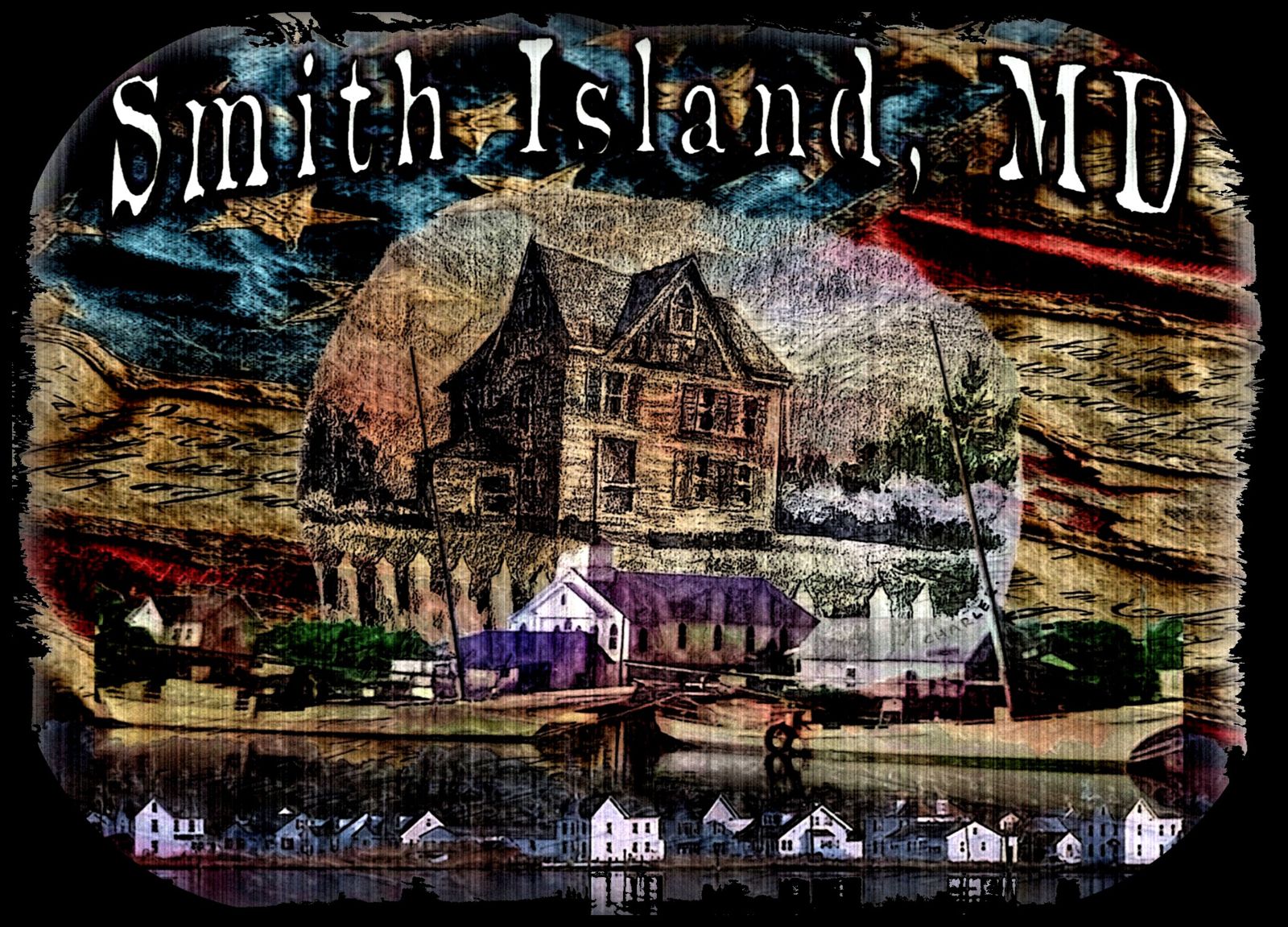
Smith Island in the Chesapeake Bay was first permanently settled by English colonists during the late seventeenth century. The island itself had likely been visited earlier by Native peoples, fishermen, fur traders, and colonial explorers, but permanent European settlement began around the 1670s–1680s.
The island is traditionally believed to have been named after English explorer Captain John Smith who mapped portions of the Chesapeake Bay in 1608, however cannot be factually proven
Early settler families
Many of the first settlers came from Virginia’s Eastern Shore and nearby parts of Maryland. They were primarily English farmers, fishermen, and baymen seeking isolated marshland suitable for grazing livestock, fishing, crabbing, and oystering. Over time, several founding family names became deeply associated with Smith Island and Tangier Sound, including:
- Evans
- Tyler
- Crockett
- Marshall
- Parks
- Bradshaw
- Dise (Dize)
- Webster
- Laird
- Wallace
- Mister
- Jones
- Pruitt
- Corbin
These families later spread throughout nearby communities such as Deal Island, Rhodes Point, Tylerton, Ewell, Chance, Wenona, and Crisfield.
Joshua Thomas and Methodist influence
One of the most influential historical figures associated with Smith Island was Joshua Thomas, an early nineteenth-century Methodist circuit rider often called the “Parson of the Islands.” His preaching helped shape the island’s strong Methodist traditions that continued for generations.
Why the island remained culturally unique
Smith Island’s isolation in the middle of Tangier Sound helped preserve:
- Distinct Chesapeake dialects
- Tight-knit family networks
- Maritime traditions
- Skipjack and deadrise workboat culture
- Multi-generational watermen communities
Because the population remained relatively small notable customs have endured for over 200 years:
- Unique island dialects
- Methodist traditions
- Chesapeake Bay workboat culture
- Multi-generational watermen families


Works Cited
|
SOURCE
|
|
| Smith, Jerry; Local Historian, Archaeologist, Story Teller | Smith Island Resident |